Aludecor Answers
ACP Sheet Meaning, Uses and Selection Guide

What is ACP Sheet?

ACP sheet, also called Aluminium Composite Panel, is a lightweight composite building panel made by bonding two aluminium skins to a core material. It is used to cover, protect and beautify building surfaces such as exterior facades, home front elevations, signage boards, corporate branding panels, interior walls, false ceilings and selected architectural details. An ACP sheet is not a solid aluminium plate. It is a layered panel system in which the surface coating provides colour and finish, the aluminium skins form the metal faces, and the core creates the panel build-up and influences properties such as weight, rigidity and fire performance depending on its composition. This construction gives architects, builders, fabricators and project owners a lightweight, workable cladding option for many architectural applications. In real projects, ACP sheets are selected because they solve both design and execution problems. They help create clean lines on commercial facades, premium accents on residential front elevations, flat surfaces for signboards, consistent brand panels for retail chains and practical interior surfaces for offices, hospitals, institutions and public buildings.
  • Primary function: cladding, covering, surface finishing and design enhancement.
  • Common applications: facades, front elevations, signage, interiors, soffits, ceilings and brand identity panels.
  • Key selection factors: thickness, aluminium skin, core type, coating system, finish, fire requirement and installation method.
  • Important note: the right ACP sheet should be selected according to application, exposure, building height, fire specification and long-term maintenance expectations.
Meaning

What does ACP sheet mean?

ACP stands for Aluminium Composite Panel. In simple terms, it is a sandwich-style panel with two aluminium skins bonded to a central core. The coating on the front skin provides colour and finish; the aluminium skins provide the metal faces and fabrication surface; and the core completes the panel thickness and influences weight, rigidity and fire behaviour depending on the grade.

For buyers, the easiest way to understand ACP sheet is this: it is a lightweight, design-flexible panel used to create clean and consistent surfaces on buildings and branded spaces. It is useful where a project needs a balance of appearance, workability, flatness, repeatable finish and efficient fabrication.

  • Full form: ACP means Aluminium Composite Panel.
  • Basic structure: aluminium skin, core material and aluminium skin.
  • Main purpose: cladding, covering, protecting and beautifying building surfaces.
  • Common users: architects, builders, fabricators, dealers, homeowners, signage makers and project teams.
  • Common use cases: facade cladding, front elevation, signage, interiors, ceilings, modular kitchens and corporate branding.
Composition

What is an ACP sheet made of?

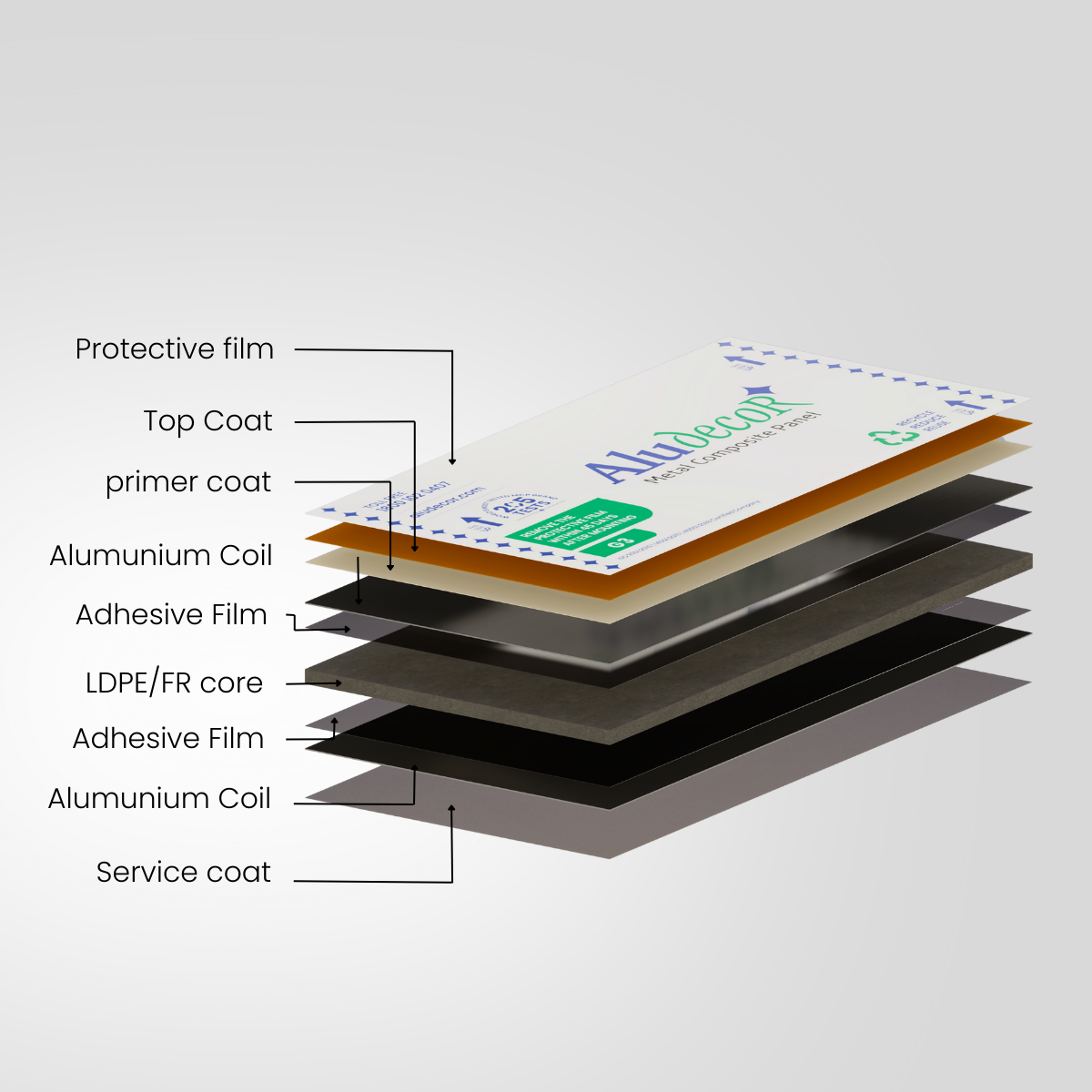
An ACP sheet is a composite panel made of multiple layers. Each layer has a role in surface appearance, bonding, rigidity, weather performance and application suitability.

What is an ACP sheet made of?

Typical ACP sheet layers

Protective filmSurface protection during handling
Coating or paint system Colour, gloss, texture and weatherability
Front aluminium skinVisible metal surface
Adhesive layerBonding support
Core materialLDPE or mineral-filled FR core, depending on grade
Back aluminium skinRear metal layer
Service coatingBack-side protection
Benefits

Why are ACP sheets used in modern buildings?

ACP sheets are used because they solve practical problems across design, fabrication, installation and maintenance. Instead of selecting ACP only for appearance, the better approach is to understand which project challenge the panel is solving.

  • Lightweight claddingACP sheets are easier to handle than many stone, tile or solid metal cladding options, making them useful for large surfaces and faster site execution.
  • Design flexibilityThey can be cut, routed, grooved, folded and shaped for clean lines, curves, grooves, fascia bands, soffits and architectural details.
  • Wide finish choiceACP sheets are available in solid, metallic, wood-look, stone-look, marble-look, rustic, rugged-metal and other special finishes, allowing one material family to serve many design intents.
  • Smooth and flat surfaceThe flat surface is useful for corporate branding, signage, commercial facades and interiors where surface consistency matters.
  • Exterior and interior suitabilityDifferent grades can be selected for weather-exposed exterior cladding, indoor panels, signage boards and decorative surfaces.
  • Fire-retardant optionsWe offer fire-retardant ACP grades for projects with defined reaction-to-fire requirements. The exact class, core, panel build and facade system should be verified for the building and application.
Applications

Where are ACP sheets used?

ACP sheet is used across commercial, residential, corporate, signage, healthcare, government and interior applications. The correct grade depends on exposure, fire requirement, coating need and installation design.

ACP sheet for commercial facades

Commercial buildings use ACP sheets for modern elevation design, brand visibility and large facade surfaces.
  • Useful for offices, showrooms, malls and retail complexes.
  • Supports flatness, clean lines and finish consistency.
  • Exterior projects should evaluate coating, wind load and panel size.
  • FR ACP should be considered where fire performance is specified.
Commercial facade applications

ACP sheet for home front elevation

Homeowners use ACP sheets for balcony bands, entrance features, soffits, parapet cladding and modern facade accents.
  • Helps create modern front elevation designs.
  • Works for wood, stone, marble and metallic looks.
  • Exterior use should consider coating and installation quality.
  • Good detailing helps avoid water and joint-related issues.
Home front elevation ideas

ACP sheet for signage and branding

ACP sheet is widely used for signboards, fascia panels, kiosks, retail branding and corporate identity systems.
  • Provides a smooth base for lettering and branding.
  • Useful for multi-location brand consistency.
  • Easy fabrication supports shop fronts and displays.
  • Selection depends on finish, thickness and exposure.
Signage ACP applications

ACP sheet for healthcare buildings

Hospitals, clinics and diagnostic centres use ACP sheets for clean-looking facades, interiors, reception areas and wayfinding panels.
  • Supports professional and organised building appearance.
  • Useful for exterior facades and selected interiors.
  • For healthcare projects, verify the required reaction-to-fire classification; Aludecor FireWall A2 is classified A2-s1,d0 under EN 13501-1.
  • Cleaning, maintenance and fire performance should guide selection.
Explore fire-retardant ACP

ACP sheet for government buildings

Public buildings, transport terminals, institutions and civic infrastructure use ACP sheets for scalable and specification-friendly cladding.
  • Useful for large, repeatable surfaces.
  • Public projects should consider fire rating, wind load and coating system.
  • Technical specifications should define thickness, core and fixing method.
  • Lifecycle value should be considered along with initial material cost.
View ACP sheet catalogs

ACP sheet for interiors and other uses

ACP sheets are also used for interior walls, false ceilings, modular kitchens, feature walls, columns, partitions and display surfaces.
  • Supports decorative walls and ceiling applications.
  • Useful for showrooms, lobbies and branded interiors.
  • Interior grade and exterior grade should not be mixed without evaluation.
  • Finish, cleaning need and surface exposure should guide selection.
Explore ACP sheet range
Specification Snapshot

Common ACP sheet builds and where they are typically specified

Within our current ACP range, overall thickness alone does not define suitability. Aluminium skin, alloy, core, coating, panel size, building height, fire requirement and installation system must be checked together. The table below is a simplified overview of verified Aludecor build ranges.

ThicknessAluminium skinCore thicknessTypically used for
3mm0.12mm-0.30mm2.4mm-2.76mmInterior panelling, signage, fascia and selected low-height applications.
4mm0.20mm-0.50mm3.0mm-3.6mmStandard exterior cladding, commercial elevations and weather-exposed building surfaces.
6mm0.25mm-0.50mm5.0mm-5.5mmLarger spans, selected premium applications and higher wind-load exterior requirements. Selected interior or exterior applications where a 6mm ACP panel is specified.
Types

Types of ACP sheets

ACP sheets can be classified by thickness, coating, core material, finish and application. This makes selection easier for architects, fabricators, dealers and project buyers.

By thickness

  • 3mm ACP sheet for selected interiors, signage and low-height uses.
  • 4mm ACP sheet for many exterior facade and cladding applications.
  • 6mm ACP sheet for selected premium or heavy-duty applications.

By coating

  • Polyester coating for selected interior applications.
  • SDP coating for specific durability requirements.
  • PVDF and FEVE coating for exterior weather exposure or high-gloss applications.

By core

  • LDPE core for suitable non-fire-critical applications.
  • Mineral core for fire-retardant ACP sheets.
  • Verify the exact classification, such as B-s1,d0 or A2-s1,d0, rather than relying on the label “FR” alone.

By finish

  • Solid and metallic finishes.
  • Wood, marble, stone and other nature-inspired textures.
  • Rustic, rugged metal and special design finishes.
Selection Guide

How to choose the right ACP sheet

Choosing the right ACP sheet is not just about colour. The correct choice depends on application, exposure, coating, core, height, fire requirement and installation quality.

1

Identify the application

  • Exterior facade
  • Home front elevation
  • Signage or corporate branding
  • Interior wall or ceiling
  • Healthcare, government or public building
2

Check exposure and building height

  • Exterior projects face sunlight, rain, dust and pollution.
  • High-rise and wind-exposed buildings need stronger specification review.
  • Panel size, substructure and fixing method should be planned carefully.
3

Select the paint/coating type

  • Polyester is used for selected interior grades.
  • PVDF or FEVE coating is preferred for long-term exterior performance.
  • Coating selection affects colour retention, gloss retention and weatherability.
4

Evaluate FR requirement

  • Do not treat “FR” as one universal fire class; verify the exact reaction-to-fire classification required for the project.
  • Our FireWall Class B is classified B-s1,d0 and FireWall A2 is classified A2-s1,d0 under EN 13501-1.
  • FR ACP should be considered for high-rise, hospitals, Malls, public buildings and safety-led projects.
  • Match the ACP grade with consultant, tender or building requirements.
5

Plan installation properly

  • Incorrect grooving, bending, sealing or fixing can affect performance.
  • Substructure, fasteners, sealant and workmanship should be aligned with the system.
  • Good material needs good installation to perform well.
6

Think beyond first cost

  • Low initial price may not mean better lifecycle value.
  • Compare durability, coating, core, finish, testing and after-sales support.
  • For price guidance, use the separate ACP sheet price page.
Test Nahi Toh Trust Nahi

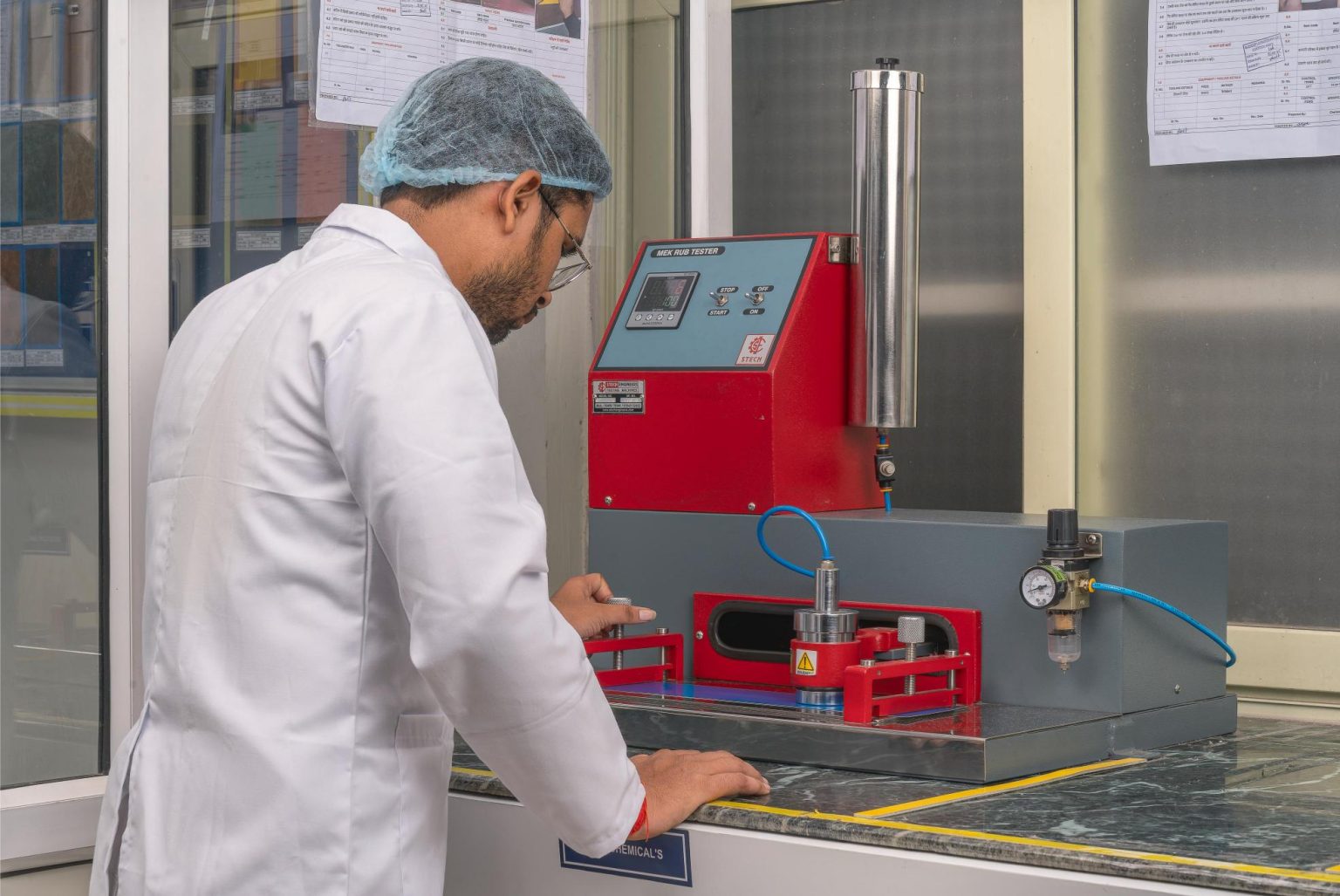
What makes a good ACP sheet?

A good ACP sheet should be judged by performance, not just appearance. Colour, coating, bonding, core, fire behaviour and weather resistance all matter when ACP sheets are used on real buildings.

At Aludecor, our 205-test framework is built around verifiable product performance.

We believe ACP sheet performance should be trusted through testing, not assumptions. This becomes important for facade cladding, high-rise buildings, healthcare projects, public infrastructure and large commercial surfaces where long-term behaviour matters. Our quality framework covers parameters relevant to coating, bonding, weather exposure and fire performance so project teams can compare products on evidence, not appearance alone.
  • Check coating quality for colour and gloss retention.
  • Check bonding strength to reduce delamination risk.
  • Check corrosion and weather resistance for exposed facades.
  • Check fire-retardant options where safety specifications matter.
  • Check installation compatibility before finalizing the panel system.
What makes a good ACP sheet?

Colour and gloss retention help preserve long-term facade appearance and shade consistency; bond strength helps reduce the risk of delamination between aluminium skin, adhesive and core; fire performance helps specifiers evaluate FR ACP for high-rise, healthcare, public and safety-led projects; and weather resistance helps the panel face Indian heat, humidity, rain, pollution and coastal exposure. Together, these checks make ACP sheet selection more performance-led and less dependent on appearance or price alone.

Comparison

ACP sheet vs traditional materials

ACP sheets are often compared with paint, tiles, stone, HPL, wood, glass and solid metal panels. The right choice depends on design intent, building type, exposure, maintenance and safety requirements.

Decision factorACP sheet advantageSelection note
WeightACP sheet is lightweight compared with many solid cladding materials.Useful where handling, fabrication and installation speed matter.
Design flexibilityACP sheets can be routed, grooved, folded and shaped.Helpful for facades, signage, home elevation and interiors.
Finish optionsACP sheets are available in solid, metallic, wood-look, stone-look, marble-look and other textured finishes.Choose the finish and coating according to interior or exterior exposure.
BrandingACP sheets support signage, retail fascia and corporate identity panels.Useful for brands that need repeatable design across locations.
Fire performanceFR ACP options are available with mineral core.Check project specification and fire classification before selection.
MaintenanceSmooth surfaces can be easier to clean when the correct grade is used.Maintenance depends on location, pollution, coating and installation quality.
Real-life Use

Common problems ACP sheets help solve

ACP sheets are useful because they address common design and site problems that appear across commercial, residential, signage and public projects. The best results come when the product grade, coating, core and installation method are aligned with the problem the project is trying to solve.

Outdated or flat-looking elevation

Many buildings need a modern face without rebuilding the entire structure. ACP sheets help create sharp elevation lines, feature bands, soffits, balcony highlights and clean facade surfaces.
  • Useful for commercial renovation and home front elevation upgrades.
  • Finish options help create wood, stone, metallic or solid colour looks.
 

Heavy traditional cladding

Stone, tile or solid metal systems may be heavy, difficult to handle or time-consuming to install. ACP sheets offer a lighter cladding option for suitable applications.
  • Helps simplify handling and fabrication.
  • Useful where faster site execution is required.

Need for brand consistency

Retail chains, banks, restaurants and corporate offices often need repeatable fascia, signage and brand panels across multiple locations. ACP sheets support clean and consistent surfaces for identity design.
  • Useful for shop fronts, signboards and corporate branding.
  • Works with lettering, printing, lighting and fascia formats.

Complex shapes and details

ACP sheets can be routed, grooved, bent and folded, which helps fabricators create corners, grooves, curves and clean junctions that may be difficult with heavier materials.
  • Useful for architectural details and modular facade patterns.
  • Helps achieve cleaner edges when installed properly.

Exposure to weather and pollution

Exterior facades face sunlight, rain, humidity, dust and pollution. The correct exterior-grade ACP, coating system and joint detailing help improve long-term appearance and surface performance.
  • Evaluate the specified exterior coating; such as SDP, PVDF or an applicable FEVE option—rather than assuming all coating systems perform the same.
  • Good sealant and substructure detailing remain important.

Safety-led specification needs

High-rise buildings, healthcare facilities, public buildings and institutional projects may need fire-retardant ACP options. In such cases, core type and tested fire classification should guide selection.
  • FR ACP should be evaluated where fire performance matters.
  • Do not assume all ACP sheets have the same fire behaviour.
Project Guidance

Still deciding which ACP sheet is right for your project?

Share your application, city, design requirement and project type. We'll help you choose the right ACP sheet for your project.

FAQs

Frequently Asked Questions