ACP Sheet vs HPL: Which Material is Right for Your Project?
The main difference is construction: ACP generally combines two aluminium skins with a central core, while HPL is generally made from resin-impregnated layers pressed under heat and pressure. For façade cladding, signage, contemporary elevations and applications requiring low-weight panels, metallic finishes, routing, folding and large-format fabrication, ACP is generally the clearer and more versatile choice. HPL remains relevant for selected decorative interior surfaces, timber-like aesthetics and some impact-prone applications.
In an ACP vs HPL decision, price, exterior grade, fire documentation, panel module, support framing, installation, maintenance and local approvals still matter. However, where the project requires a lightweight architectural panel that can be folded, formed and used across exterior and interior applications, the ACP sheet vs High Pressure Laminates comparison typically favours ACP.
Is ACP better than HPL?
For most façade, elevation, signage and formed-panel applications, ACP is the clearer overall choice because it combines low weight, metallic and decorative finishes, routing, folding and large-format fabrication. HPL remains useful for selected decorative interior surfaces and specialist laminate applications. An ACP sheet vs High Pressure Laminates comparison is meaningful only when exterior or interior grade, thickness, finish, fire documentation, support and installation system are compared like for like.
Exterior selection
Compare complete façade grade, weather exposure, joints, sub-frame and approvals.
Interior selection
Compare surface feel, edge detail, impact exposure, cleaning and fire requirements.
Price selection
Compare material, fabrication, freight, substrate, framing, accessories and labour.
Final approval
Use samples, mock-ups, technical documents and qualified project professionals.
What are ACP and HPL?
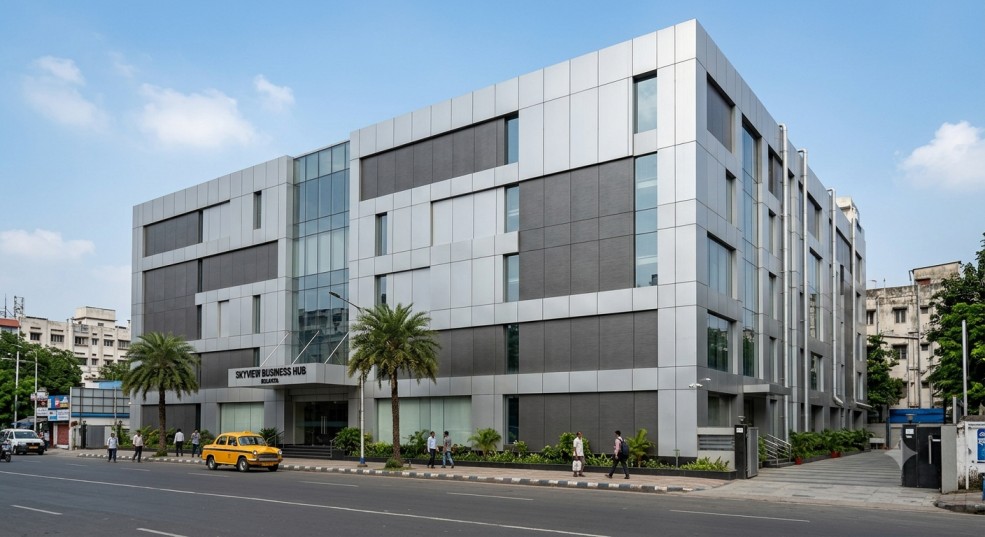
What is ACP sheet?
An aluminium composite panel generally consists of two aluminium skins bonded to a central core, with a finished external surface and a removable protective film where applicable. ACP properties vary by aluminium skin, core, coating, panel dimensions, grade and intended application.
For the ACP vs HPL discussion, ACP should not be treated as one uniform product. The selected construction and installation system determine suitability.
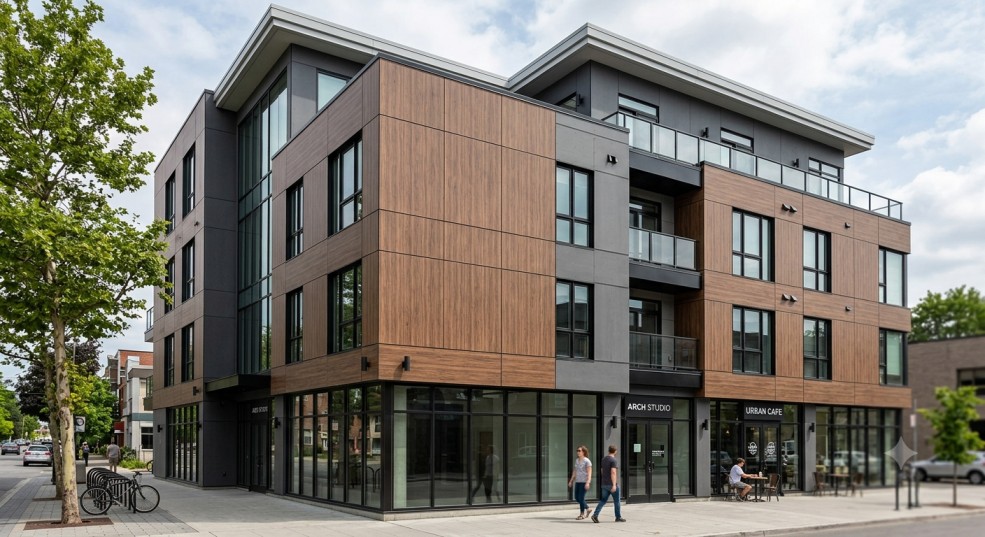
What is HPL?
High Pressure Laminate is generally manufactured by pressing resin-impregnated layers under heat and pressure. Products can differ by thickness, density, interior or exterior classification, finish, manufacturer, substrate, installation system and fire-performance documentation.
In ACP sheet vs High Pressure Laminates, standard interior HPL must not be assumed suitable for exterior use; exterior-grade documentation must be verified.
ACP vs HPL detailed comparison
For façade cladding, signage, commercial elevations, curved or folded forms and projects that value low weight with broad finish flexibility, ACP is the clearer overall winner. HPL remains useful for selected decorative interior and dense-surface applications, but it usually requires more careful grade, edge, substrate and exterior-use verification.
| Comparison factor | Why ACP sheets | Why HPL sheets | What to verify |
|---|---|---|---|
Overall recommendation | Clear winner | HPL is better treated as a specialist decorative laminate option for selected interior or exterior-grade uses rather than the default all-round façade material. | Confirm the exact ACP specification, core, coating, skin, panel size and approved installation system. |
Basic construction | ACP advantage | Resin-impregnated layers consolidated under heat and pressure; grade and substrate can vary. | Technical data sheet and product identification. |
Weight characteristics | ACP advantage | Weight varies by density, thickness, grade, substrate and panel size. | Declared panel weight and handling plan. |
Rigidity | ACP advantage | Depends on thickness, density, support, substrate and fixing method. | Panel module and approved system design. |
Finish options | ACP advantage | Commonly available in decorative, timber-like, solid, matte, gloss and textured appearances. | Samples, batch consistency and approved mock-up. |
Metallic appearance | ACP advantage Often considered where metallic or contemporary façade expression is required. | Usually selected more for decorative laminate character than a true metal-surface effect. | Actual sample under project lighting. |
Fabrication | ACP advantage | Can be cut and drilled; edge treatment and substrate may require different methods. | Manufacturer guidance and shop drawings. |
Curved forms | ACP advantage May support selected curved or shaped applications with proper fabrication review. | Suitability for bending or curving depends on exact grade, thickness and manufacturer guidance. | Mock-up and fabrication limits. |
Exterior use | ACP advantage | Requires a documented exterior-grade HPL product, protected edges, joints and approved support. | Exterior classification, weathering and system documents. |
Interior use | ACP advantage | Commonly considered for walls, partitions, furniture-adjacent surfaces and decorative interiors. | Impact, fire, cleaning and edge requirements. |
Façade suitability | ACP advantage | Depends on exterior grade, panel size, fixing, edge detail, joints, sub-frame and fire documents. | Architect, façade and fire consultant approval. |
Signage | ACP advantage | May suit selected signs where grade, edge, weight, support and outdoor exposure are verified. | Sign size, wind, frame and mounting. |
Impact and dents | ACP advantage | Dense laminate surfaces may be considered where impact resistance is important, subject to grade. | Location-specific impact risk and sample testing. |
Cleaning | ACP advantage | Follow product-specific cleaning guidance for surface, edges and joints. | Approved cleaners and access plan. |
Moisture exposure | ACP advantage | Performance depends on exterior grade, protected edges, substrate, joints, drainage and ventilation. | Water-management and edge-detail drawings. |
Fire considerations | ACP advantage | Cannot be inferred from the term HPL; grade, reports, substrate and installation must be verified. | Project-relevant reports and system approval. |
Repair and replacement | ACP advantage | Depends on fixing, edge detail, substrate and access to matching finish. | Replacement sequence and spare-panel strategy. |
Material price | ACP advantage | Indicative standard HPL sheet range: ₹200-₹350 per sq. ft., subject to grade and commercial variables. | Same unit, sheet size, taxes and validity. |
Installed project cost | ACP advantage | May include laminate, substrate, sub-frame, mechanical fixing or adhesive, edges, access, freight, tax and labour. | Complete bill of quantities and exclusions. |
Best-use scenarios | ACP advantage | May suit decorative, timber-like, dense-surface and selected interior or exterior laminate requirements. | Exact grade and project priorities. |
Important limitation | ACP advantage | Interior HPL must not be substituted for exterior-grade HPL; edges and support require careful detailing. | Written specification and consultant approval. |
Verdict: For the broadest range of architectural cladding, façade, elevation, signage and formed-panel applications, ACP is the clear winner. HPL remains a valid option where a dense decorative laminate surface is the primary requirement.
ACP sheet vs High Pressure Laminates price comparison
In ACP vs HPL pricing, a sheet rate is only the starting point. Our ACP series carry a broad indicative material-price range of ₹83-₹292 per sq. ft.* Standard HPL sheets may be available within an indicative market range of ₹200-₹350 per sq. ft.* Neither range is a complete installed-project cost. Final pricing depends on the selected grade, thickness, finish, quantity, location, taxes, fabrication, support system and installation scope.
| Particulars | ACP Sheets | HPL (High Pressure Laminates) |
|---|---|---|
Indicative material-price range | ₹83–₹292 per sq. ft.* | ₹200-₹350 per sq. ft.* |
Pricing unit | May be quoted per sheet, sq. ft. or sq. m; standardise before comparison. | May be quoted per sheet or area; confirm sheet dimensions and usable area. |
Grade variables | Thickness, aluminium skin, core, coating, finish, dimensions and product range. | Interior or exterior grade, thickness, density, finish, texture, core or substrate and brand. |
Fabrication | Cutting, routing, folding, tray formation, curves, cut-outs and edge returns. | Cutting, drilling, edge finishing, substrate preparation, cut-outs and mechanical or adhesive detailing. |
Installation system | Sub-frame, brackets, fasteners, sealants or gaskets, joints and access. | Sub-frame or substrate, mechanical fixings or adhesive system, edges, joints and access. |
Commercial variables | Quantity, freight, taxes, packaging, wastage, labour, access and documentation. | Brand, quantity, location, taxes, freight, fabrication, substrate, accessories and labour. |
*Pricing note: The ACP price range of ₹83-₹292 per sq. ft. is based on the lowest and highest values. It should be reconfirmed for the selected thickness, skin, core, finish, quantity and commercial terms. ₹200-₹350 per sq. ft. is an indicative market range for standard HPL sheets. Both material ranges exclude any assumptions about fabrication, substrate or sub-frame, freight, taxes, installation, accessories and site conditions unless specifically included in a quotation.
Material price versus installed project cost
An ACP vs HPL comparison based only on sheet price can be misleading. The ACP sheet vs High Pressure Laminates installed cost may include different substrates, fabrication processes, supports, joints and labour.
Panels, substrate where needed, accessories, brackets, fasteners and joint materials.
Cutting, routing, folding, drilling, edge treatment, cut-outs, wastage and workshop labour.
Sub-frame, fixing, adhesive where applicable, scaffolding, lifting, access and supervision.
Mock-ups, shop drawings, engineering, documentation, freight, unloading, tax and maintenance access.
Neither material is always cheaper to install. Geometry, panel module, support system, installer experience, detailing, project location and access conditions can change the result.
ACP vs HPL for exterior, interior, façade and signage applications
Exterior cladding
For ACP sheet vs High Pressure Laminates outdoors, compare the complete ACP specification against a documented exterior-grade HPL product. Review UV and rain exposure, thermal movement, panel dimensions, support framing, joints, edges, wind, fire, maintenance and local regulations.
Neither should be approved for a façade from a generic website comparison alone.
Interior applications
In ACP vs HPL for interiors, ACP may suit metallic, clean-lined, folded and lightweight panel applications. HPL may suit dense decorative surfaces, timber-like visual character and furniture-adjacent finishes. Compare edge treatment, impact, cleaning, fabrication, fire requirements and repairability.
Façades and elevations
An ACP sheet vs High Pressure Laminates façade decision should review building height, wind pressure and suction, panel module, sub-frame, fixing, thermal movement, cavities, joints, water management, exterior finish, replacement access and consultant approval.
Signage
In ACP vs HPL for signage, ACP is often considered for flatness, low weight, routing, folding and vinyl application. HPL may be considered for selected signs when exterior grade, edge treatment, weight, frame and wind exposure are confirmed.
Finish, colour and edge appearance
The ACP sheet vs High Pressure Laminates visual comparison should use physical samples, not screen colours alone. ACP can provide metallic, solid, wood-look, stone-look and textured expression. HPL can provide decorative, timber-like, solid, matte, gloss and textured surfaces.
- Review joint visibility and edge treatment.
- Check grain or pattern continuity.
- Confirm batch and colour consistency.
- View samples under project lighting.
- Approve a mock-up before a large order where appropriate.
Design flexibility is project-specific
In ACP vs HPL, ACP may offer advantages for folded returns, cassettes and metallic expression, while HPL may deliver a distinctive dense decorative surface and exposed-edge character. Neither description replaces product-specific fabrication guidance.
ACP vs HPL fabrication, weight and installation
ACP fabrication
ACP is often cut, routed, folded, drilled and formed into returns or trays. Curving and on-site adjustments depend on the exact panel and approved method.
HPL fabrication
HPL can be cut and drilled, while edges, substrate, fixing and surface protection may require different tooling and workshop discipline.
Weight and handling
ACP is generally considered lightweight. HPL weight varies by thickness, density, grade, substrate and panel size. Compare transport, lifting, storage, framing and labour using product data.
For ACP sheet vs High Pressure Laminates, fabrication must follow manufacturer guidance, approved samples and shop drawings. Do not assume generic routing depths, bend radii, panel sizes, fixing centres or tolerances.
Maintenance, cleaning and service-life considerations
In ACP vs HPL, durability depends on product grade, coating or finish, exposure, installation quality, edge treatment, joints, sub-frame, fixing and maintenance. One material cannot be declared universally longer-lasting.
- Follow manufacturer-recommended cleaning procedures.
- Review scratch and stain visibility on the selected finish.
- Protect exposed edges and joints as required.
- Plan access for cleaning and damaged-panel replacement.
- Keep matching spare material where project continuity matters.
Water exposure requires system detailing
The ACP sheet vs High Pressure Laminates moisture comparison should examine rain, humidity, edge protection, joints, substrate moisture, drainage, ventilation and cleaning. Neither material should be described as universally waterproof.
Exterior-grade HPL must be distinguished from interior HPL, and ACP must be selected by full panel and installation specification.
Fire performance cannot be inferred from “ACP” or “HPL”
For ACP vs HPL fire decisions, verify the named product, reaction-to-fire classification, intended application, supporting components, installation system, cavities, barriers, building type, regulations and consultant approval. The generic terms “ACP” and “HPL” do not establish fire performance.
Within our range, Aludecor Firewall A2 is classified A2-s1,d0 and Firewall Class B is classified B-s1,d0 under EN 13501-1. These classifications apply to those specific products, not to ACP as a category. HPL likewise has product-specific fire grades and classifications. Do not describe either material generically as “fireproof”.
Professional review is essential
Façade, wind, fire, structural and regulatory decisions should be reviewed by the responsible architect, façade consultant, fire consultant, structural engineer, fabricator, manufacturer representative and approving authority.
Compare documented lifecycle information, not broad assumptions
An ACP sheet vs High Pressure Laminates sustainability review should compare product-specific lifecycle evidence using the same declared unit and system boundary. Consider material composition, longevity, replacement frequency, fabrication waste, end-of-life routes and local recycling infrastructure. Our Firewall A2 and Firewall Class B ACPs have third-party verified Environmental Product Declarations (EPDs); any HPL comparison should use equivalent, product-specific EPD data rather than broad “green” claims.
Where ACP or HPL may be considered
This matrix supports an ACP vs HPL discussion; it does not provide automatic approval.
| Application | ACP considerations | HPL considerations | Questions to verify | Professional review |
|---|---|---|---|---|
Exterior façade | Panel grade, core, coating, module, joints, fixing and cavity. | Exterior compact HPL classification, thickness, module, joints, fixing and cavity. | Wind, fire, water, height and approvals? | Required |
Low-rise elevation | May suit selected cladding and accent zones with approved system. | Exterior-grade compact HPL may suit selected elevation zones with manufacturer-approved joint and fixing details. | Exposure, support, grade and maintenance? | Recommended |
High-rise façade | Requires complete engineered façade and fire review. | Requires complete engineered façade, exterior-grade and fire review. | Wind zones, cavity, fixing and regulatory acceptance? | Essential |
Interior wall | May suit clean, metallic, folded or large-format finishes. | May suit decorative, timber-like and tactile surfaces. | Impact, fire, edges, cleaning and substrate? | As specified |
Retail interior | Useful for branded features, columns, ceilings and displays. | Useful for decorative walls and furniture-adjacent surfaces. | Traffic, cleaning, repair and finish continuity? | As specified |
Signage | Often considered for flatness, low weight, routing and folds. | May suit selected signs with correct grade and edge support. | Size, wind, printing, vinyl, frame and exterior grade? | For large/exposed signs |
Ceiling | Weight, suspension, access, fire and joints require review. | Weight, substrate, suspension, fire and edges require review. | Support capacity and maintenance access? | Recommended |
Column cladding | Routing and folded returns may support clean corner details. | Edge and joint treatment determine the visual result. | Impact, radius, access and substrate? | As specified |
Furniture surface | Possible for selected design-led applications; edge detail matters. | Commonly considered for decorative furniture-adjacent surfaces. | Wear, substrate, edges and cleaning? | Product-specific |
Canopy | Weather, drainage, wind, fixing and underside finish require review. | Exterior grade, edges, drainage, support and fixing require review. | Exposure, span, slope and water management? | Required |
Wet or humid area | Joints, drainage, coating, fixing and ventilation are decisive. | HPL type, joint/edge detailing, substrate conditions where applicable and ventilation are decisive. | Direct water, humidity and drying path? | Recommended |
High-impact area | Skin, core, support and replacement strategy should be checked. | Dense surface may be considered, subject to grade and support. | Impact level, edge risk and repair strategy? | Recommended |
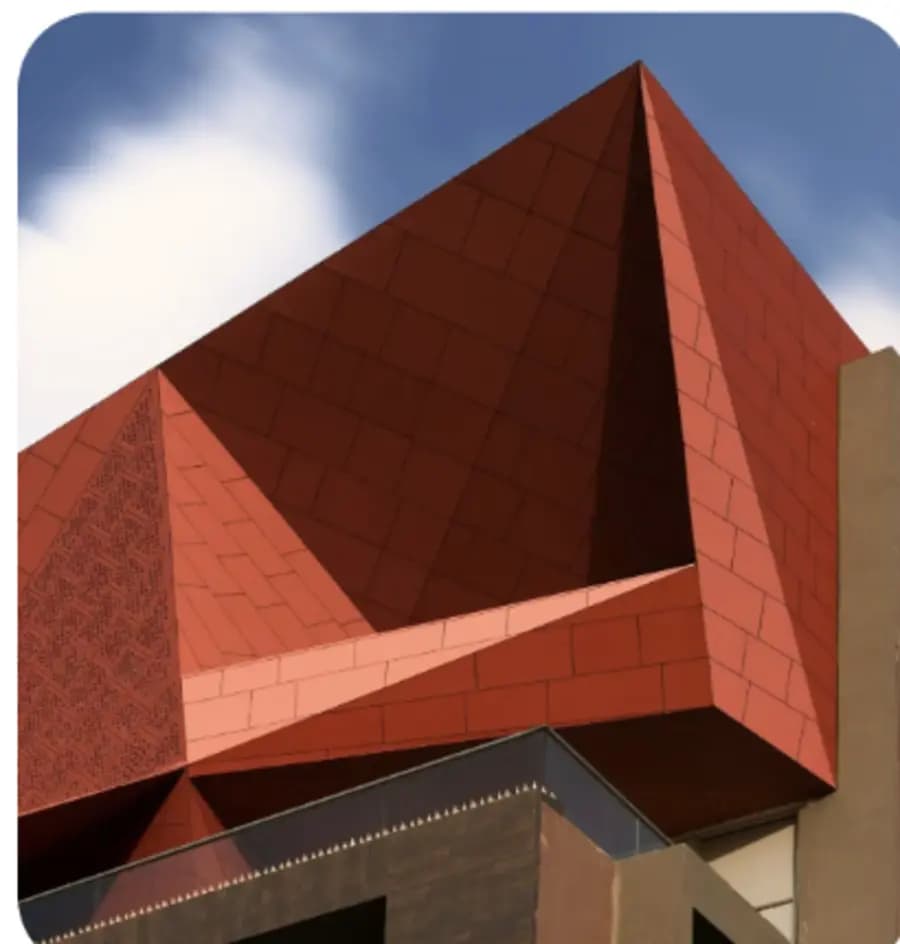
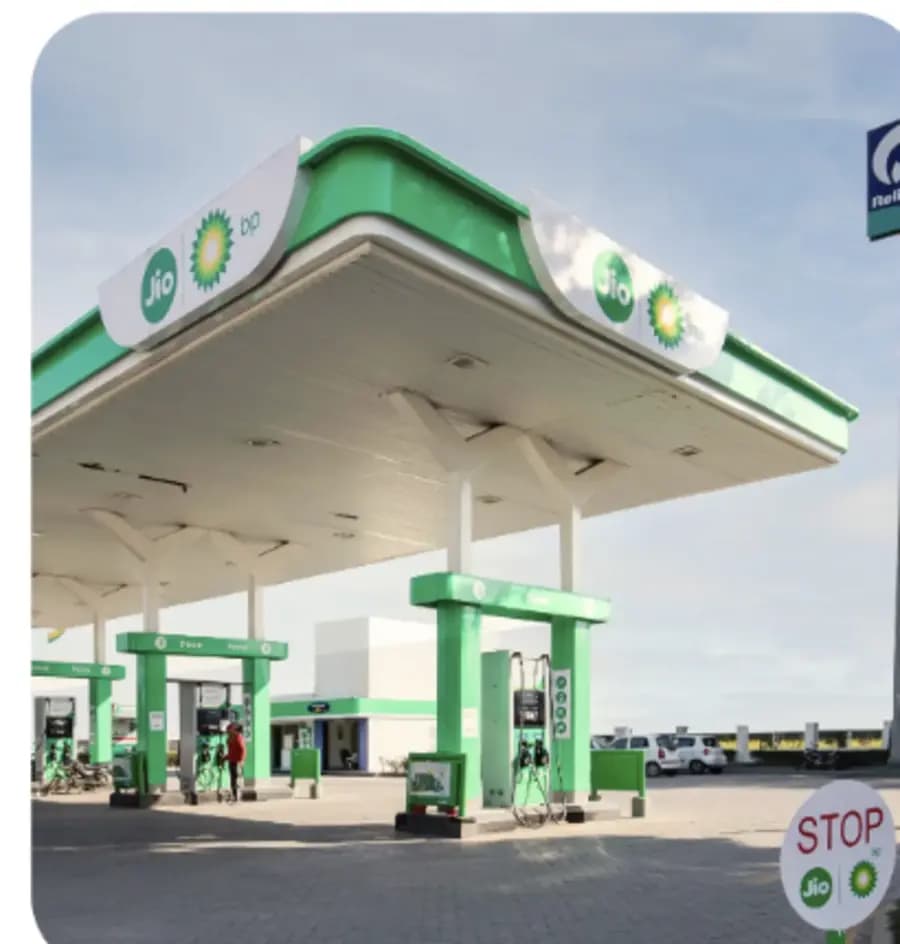
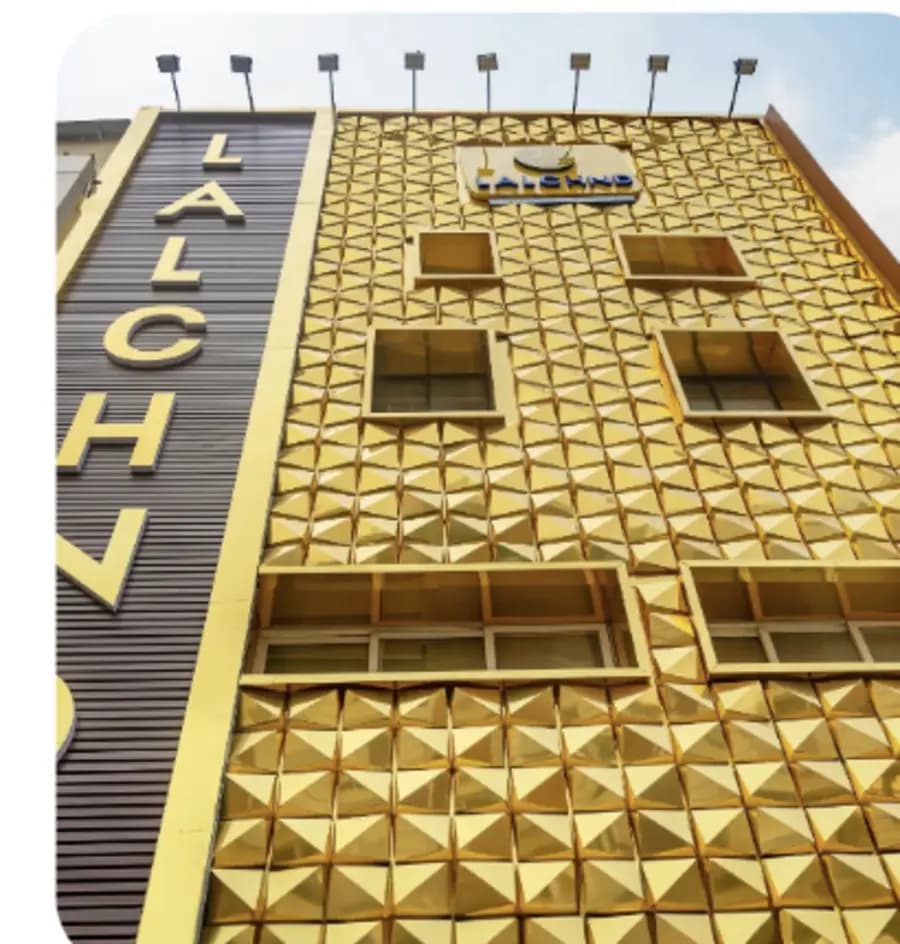
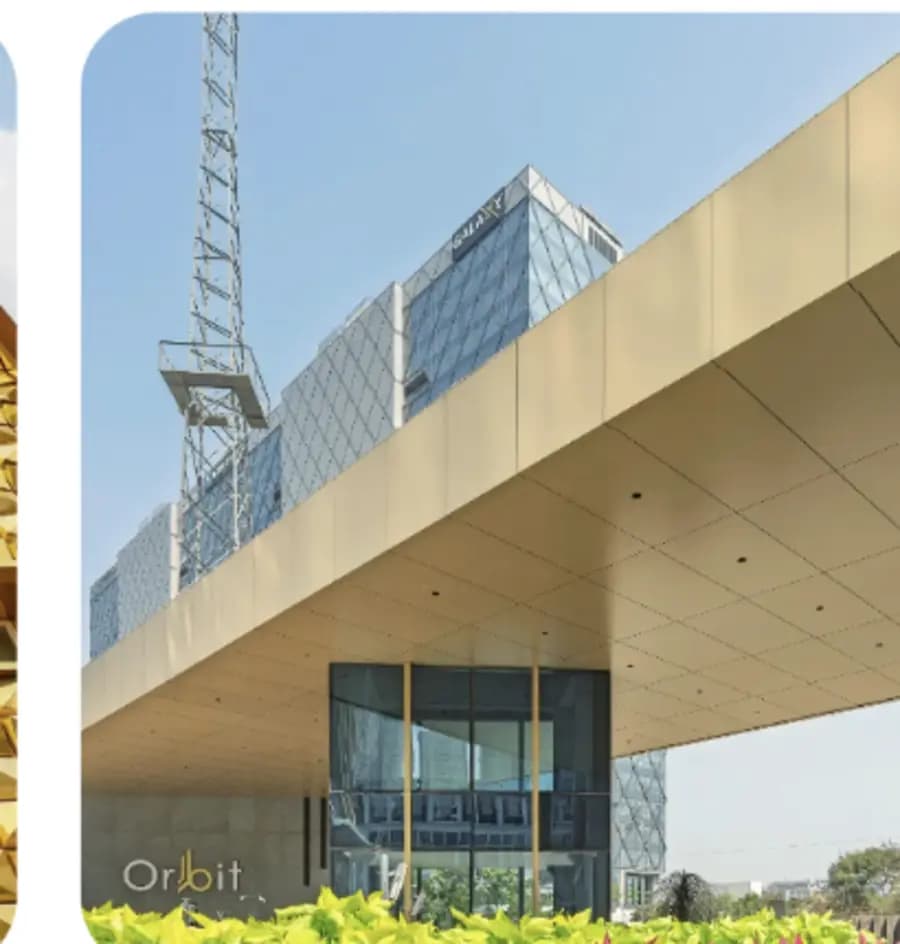
Explore ACP applications across landmark projects
See how aluminium composite panels can support sculptural façades, commercial identity, canopies, soffits and premium entrance treatments. Final panel specification should always be aligned with the project design, support system and technical requirements.

Avoid these errors in an ACP vs HPL comparison
Comparing generic material names
Compare the exact ACP specification and exact HPL grade.
Mixing exterior and interior grades
Compare products approved for the same exposure and application.
Looking only at sheet price
Include fabrication, framing, substrate, installation, freight, tax and maintenance.
Ignoring edge and joint detailing
Review exposed edges, returns, joints, drainage paths and impact risk according to the selected product.
Assuming thicker is always better
Evaluate thickness with grade, construction, module, support and use.
Ignoring fire documents
Request project-relevant reports and consultant approval.
Comparing different sheet sizes
Normalise unit rate, dimensions, usable area and wastage.
Ignoring fabrication labour
Compare routing, folds, drilling, substrate and edge work separately.
Ignoring panel weight
Use verified weight data for transport, lifting, framing and labour.
Skipping samples and mock-ups
Approve colour, texture, joints, edges and lighting response before ordering.
Choosing the lowest quotation automatically
Compare complete scope, exclusions, documents and installation assumptions.
Assuming one material suits every façade
Use project-specific wind, fire, moisture and regulatory review.
What to confirm before final material selection
Application and exposure
- Intended application
- Interior or exterior use
- Building type and height
- Project location
- Panel dimensions and module
- Wind, moisture and weather exposure
- High-impact or wet-area conditions
Product specification
- Material thickness
- ACP aluminium skin and core
- HPL type (thin or compact) and interior/exterior classification
- Surface finish and colour
- Edge treatment
- Fire documentation
- Samples and mock-up
System and commercials
- Support framing and fixing
- Fabrication and installation
- Freight, taxes and wastage
- Maintenance and replacement
- Warranty terms where verified
- Quotation validity
- Professional approval
Need a project-specific material discussion?
Prepare the application, project location, interior or exterior exposure, approximate area, panel size and fire requirements before